Best Extracurricular Activities for Kids
What Are Extracurricular Activities for Kids?
Extracurricular activities are structured programs children take part in outside of regular academic coursework — think music lessons, art classes, sports, chess, coding, or public speaking clubs. Unlike core school subjects, these activities are chosen based on a child's interests rather than a fixed curriculum, giving them room to explore, experiment, and discover what they genuinely enjoy.
While academics build knowledge, extracurricular activities build skills that classrooms often don't have space for, such as creativity, discipline, confidence, and social ability. For many children, the extracurricular activity they choose ends up shaping their personality and interests far beyond the hours they spend in it each week.
Parents often assume extracurriculars are simply "extra" and nice to have, but not essential. In practice, though, these activities are often where children first discover what they're genuinely good at, long before it shows up anywhere in a school report card.
Why Are Extracurricular Activities Important for Kids?
Extracurricular activities give children a space to grow in ways that go beyond grades and test scores. They help kids build real-world skills through consistent, hands-on practice rather than passive learning.
Key benefits of extracurricular activities for kids:
Builds confidence and self-esteem
Develops social and communication skills
Helps children discover genuine interests and strengths
Teaches time management and discipline
Encourages well-rounded personal development
Provides a healthy outlet outside of academic pressure
Types of Extracurricular Activities Worth Considering
With so many options available, it helps to look at a few categories that consistently offer strong developmental benefits for children.
Music
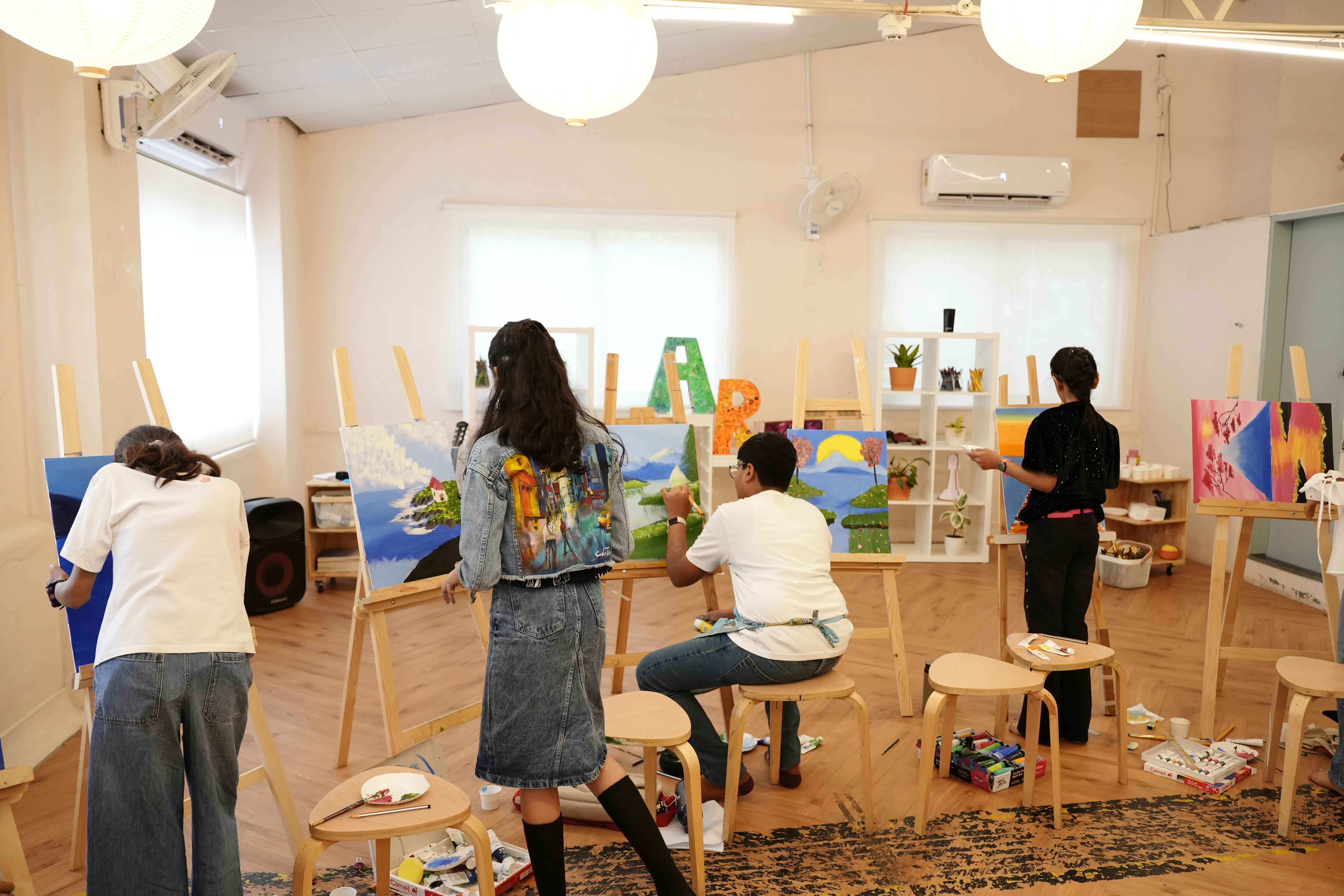
Learning an instrument or vocal training teaches children discipline, patience, and active listening, while also giving them a creative outlet for emotional expression. Music has also been widely linked to improved memory and concentration in young learners. At Openhouse, our Music program introduces children aged 5 to 12 to instruments and vocal foundations through weekly after-school sessions, building skill steadily through consistent practice rather than one-off lessons.
Art & Design
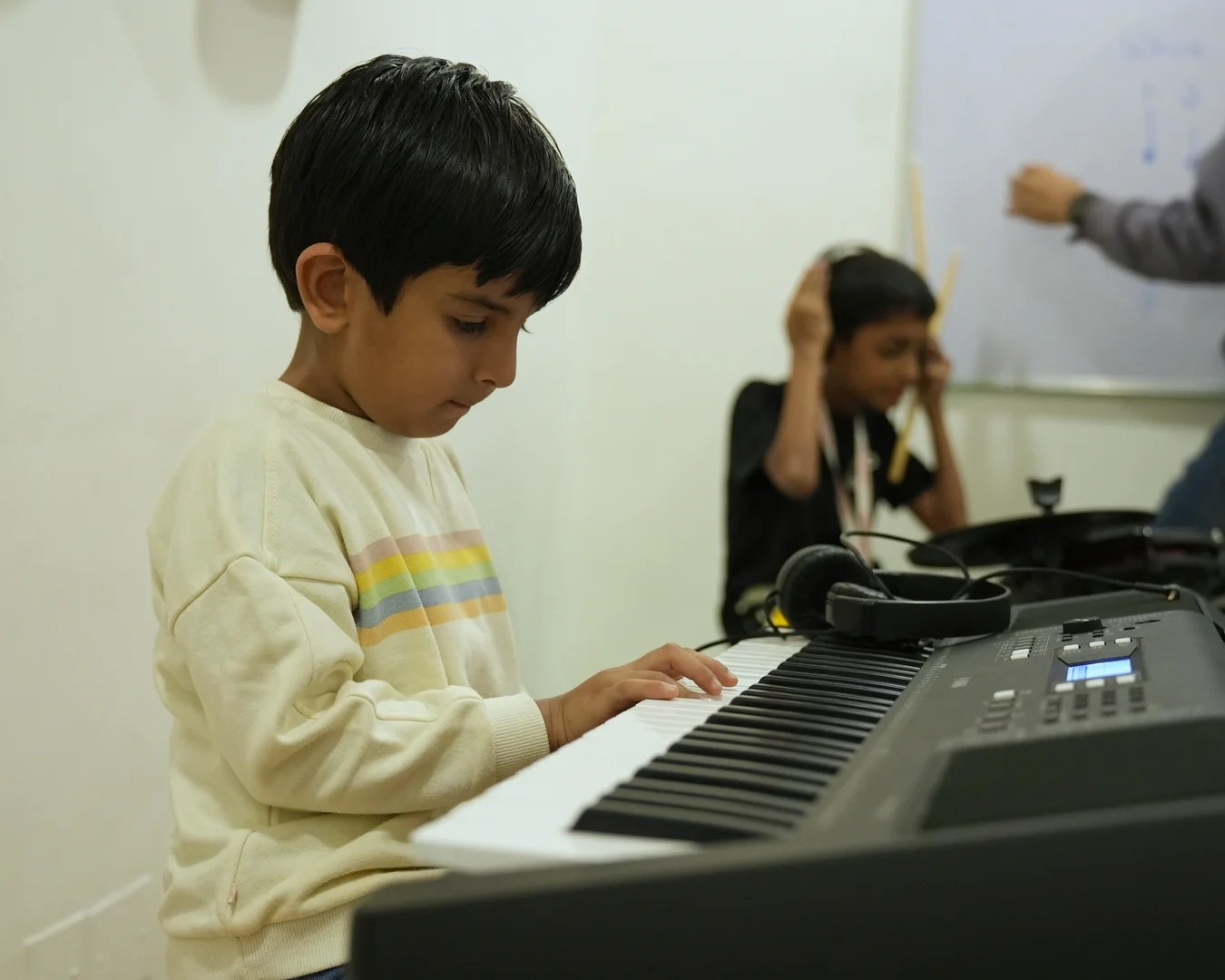
Art and design activities give children a judgment-free space to express themselves visually, while quietly building fine motor skills, spatial reasoning, and problem-solving through open-ended creative work. Openhouse's Art & Design program, for ages 5 to 12, runs as weekly after-school classes where kids explore different mediums and techniques at their own pace.
Robotics
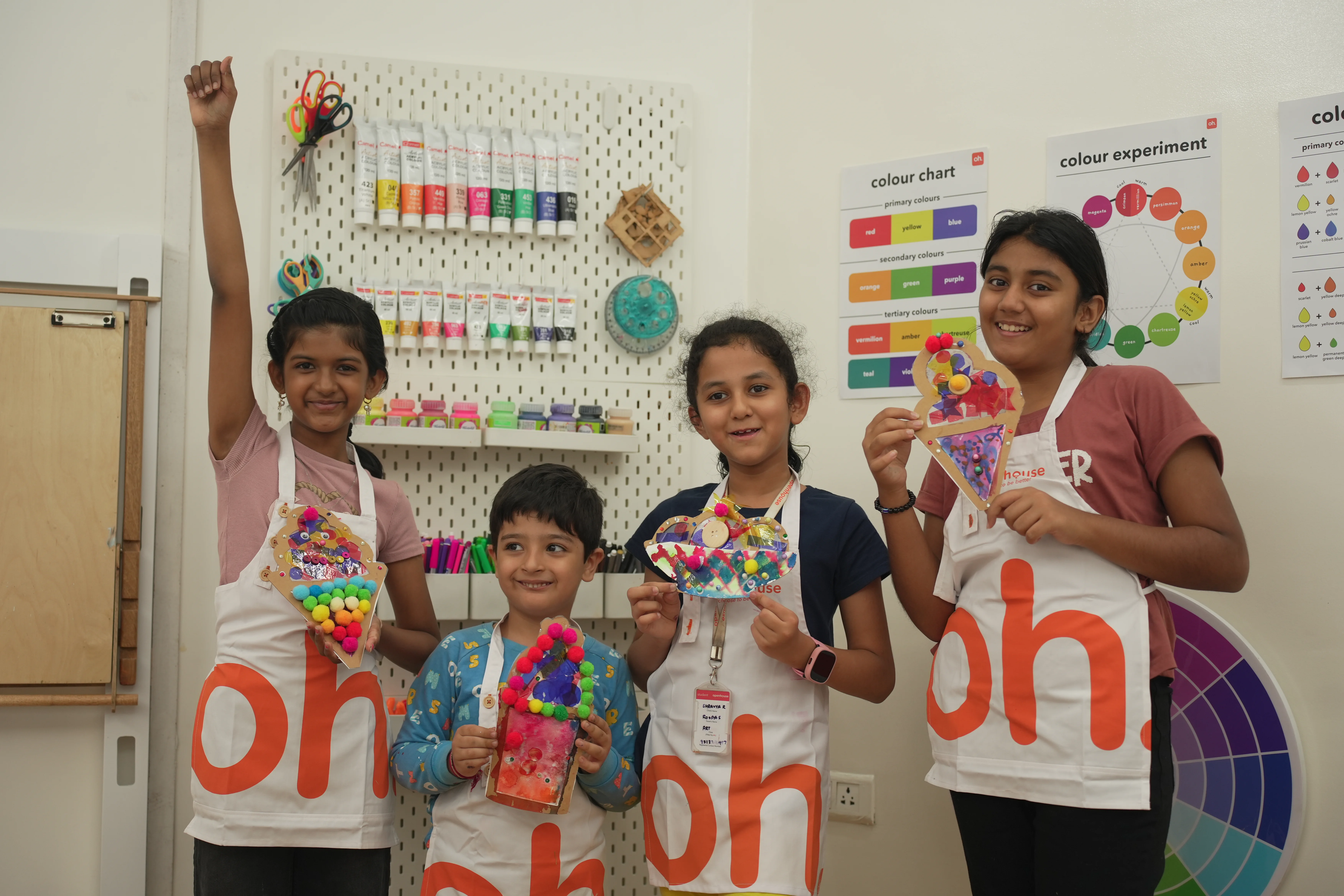
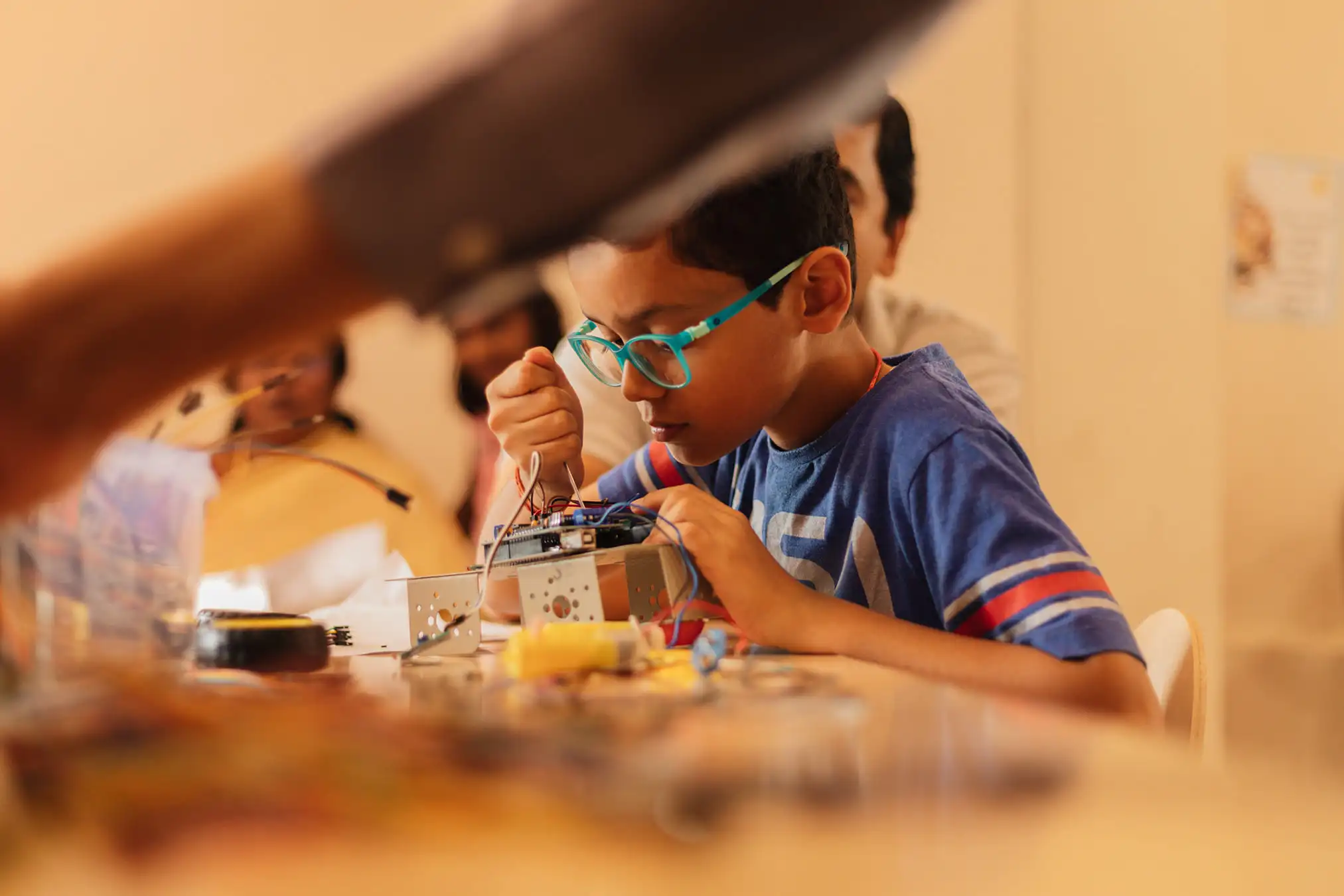
Robotics combines STEM learning with hands-on building and basic coding, helping children develop logical thinking, creativity, and problem-solving skills through real projects rather than theory. We've covered this in detail in our dedicated robotics post — Openhouse's Robotics program for ages 5 to 12 runs weekly, giving kids consistent practice designing, building, and programming their own robots.
Public Speaking
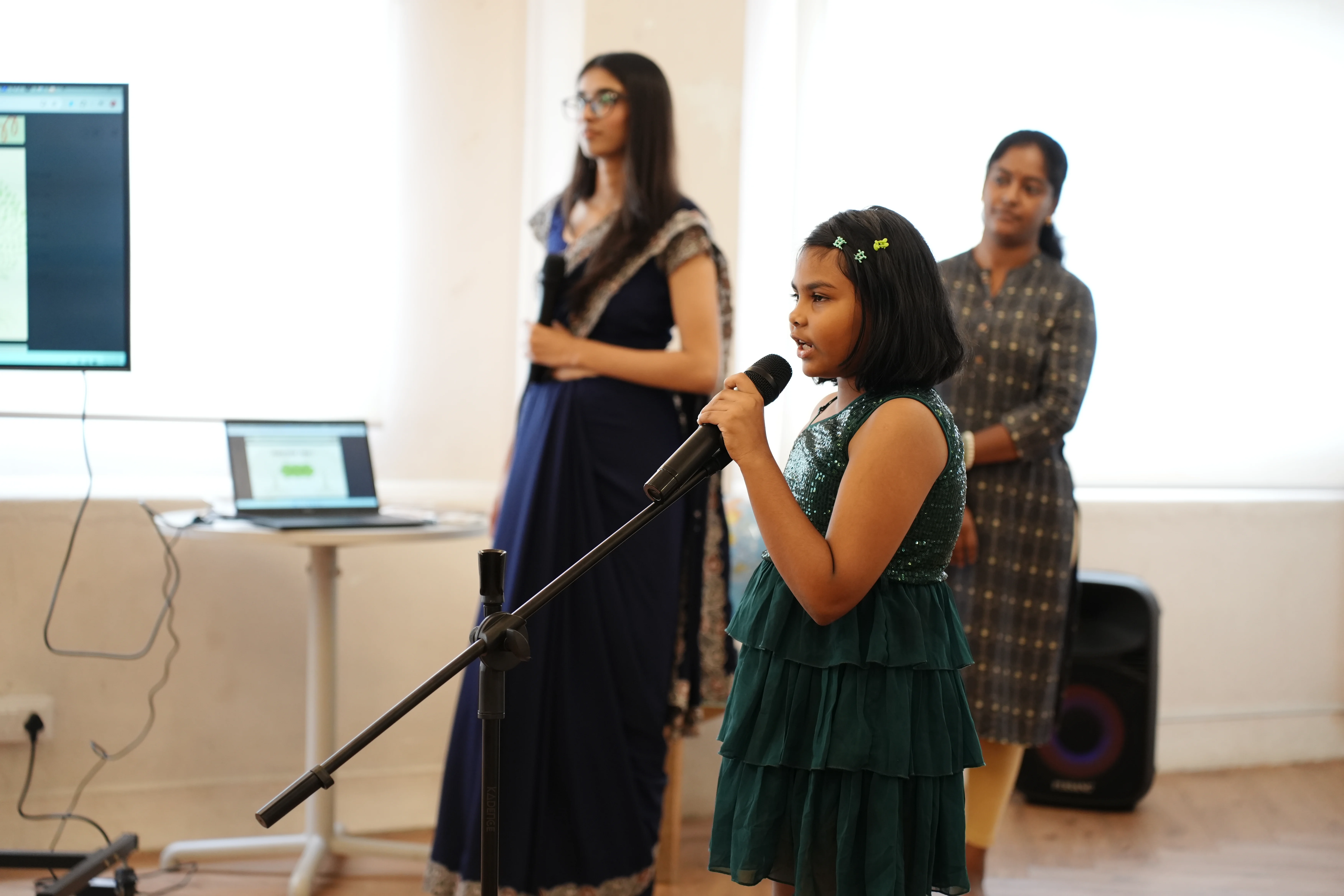
Public speaking helps children build confidence, clarity of thought, and the ability to express ideas in front of others, a skill that benefits them well beyond the classroom, from group projects to future job interviews. Openhouse's Public Speaking program, also for ages 5 to 12, uses weekly sessions to help children practice structured thinking and confident communication in a supportive group setting.
Chess
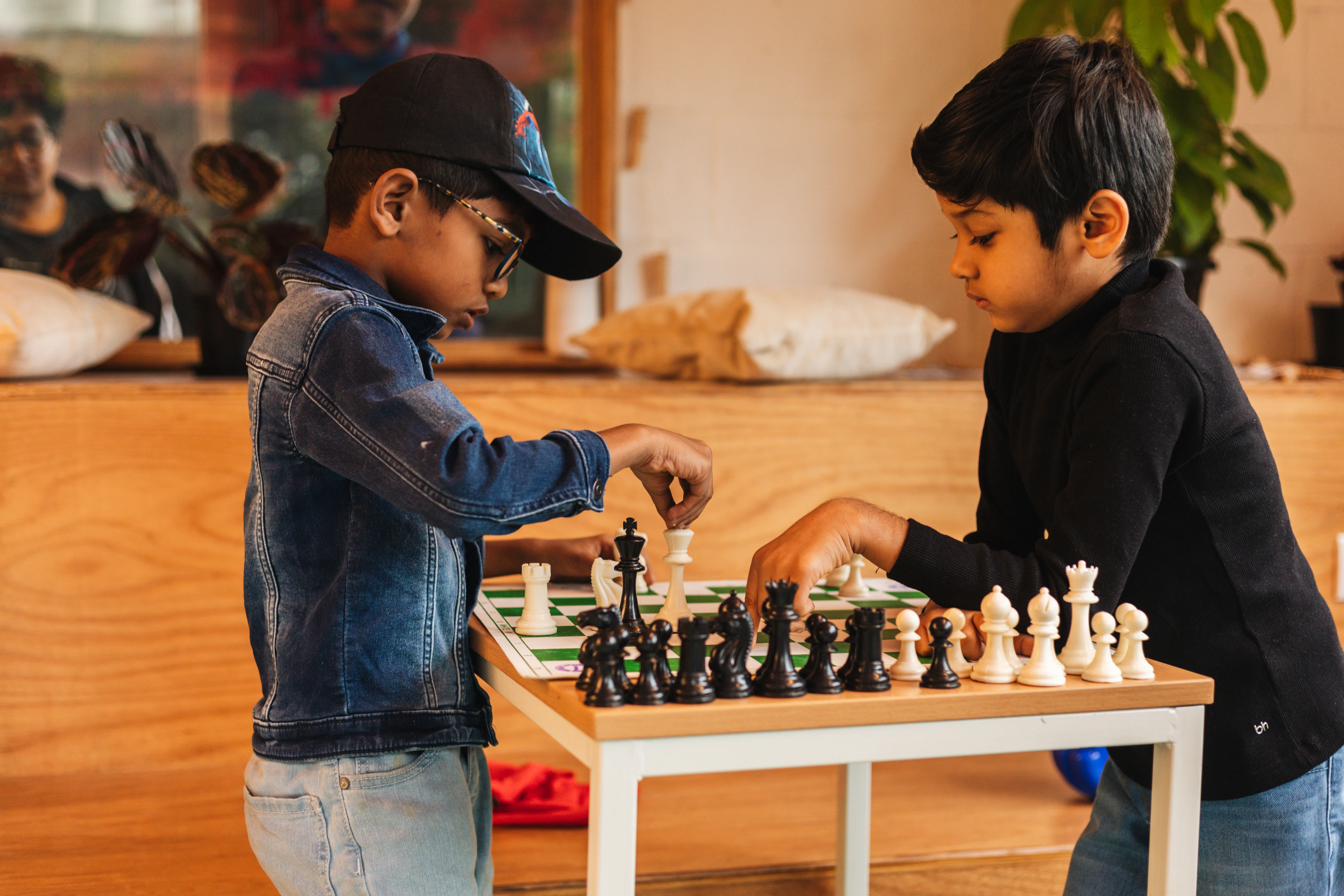
Chess teaches strategic thinking, patience, and the ability to plan several steps ahead. These skills transfer directly into academic problem-solving and everyday decision-making. Openhouse offers weekly Chess classes for children aged 5 to 12, helping kids build focus and strategic thinking through regular, guided practice.
How to Choose the Right Activity for Your Child
With several good options available, choosing the right one often comes down to a few practical considerations rather than a single "correct" answer:
Start with their natural interest. A child who's drawn to building things may enjoy robotics far more than an assigned music class, and vice versa — following curiosity usually leads to better long-term engagement than picking based on trends.
Try before committing. A trial class is one of the easiest ways to gauge genuine interest before committing to a full term, since children often respond very differently to an activity in person compared to how it sounds on paper.
Balance with academics. Extracurriculars should complement schoolwork, not compete with it — a manageable weekly commitment tends to work better than an overloaded schedule across multiple activities.
Give it time. Most skills, whether it's chess strategy or musical technique, take a few weeks of consistent practice before a child starts to feel real progress and enjoyment, so it's worth sticking with an activity for at least a short stretch before deciding if it's the right fit.
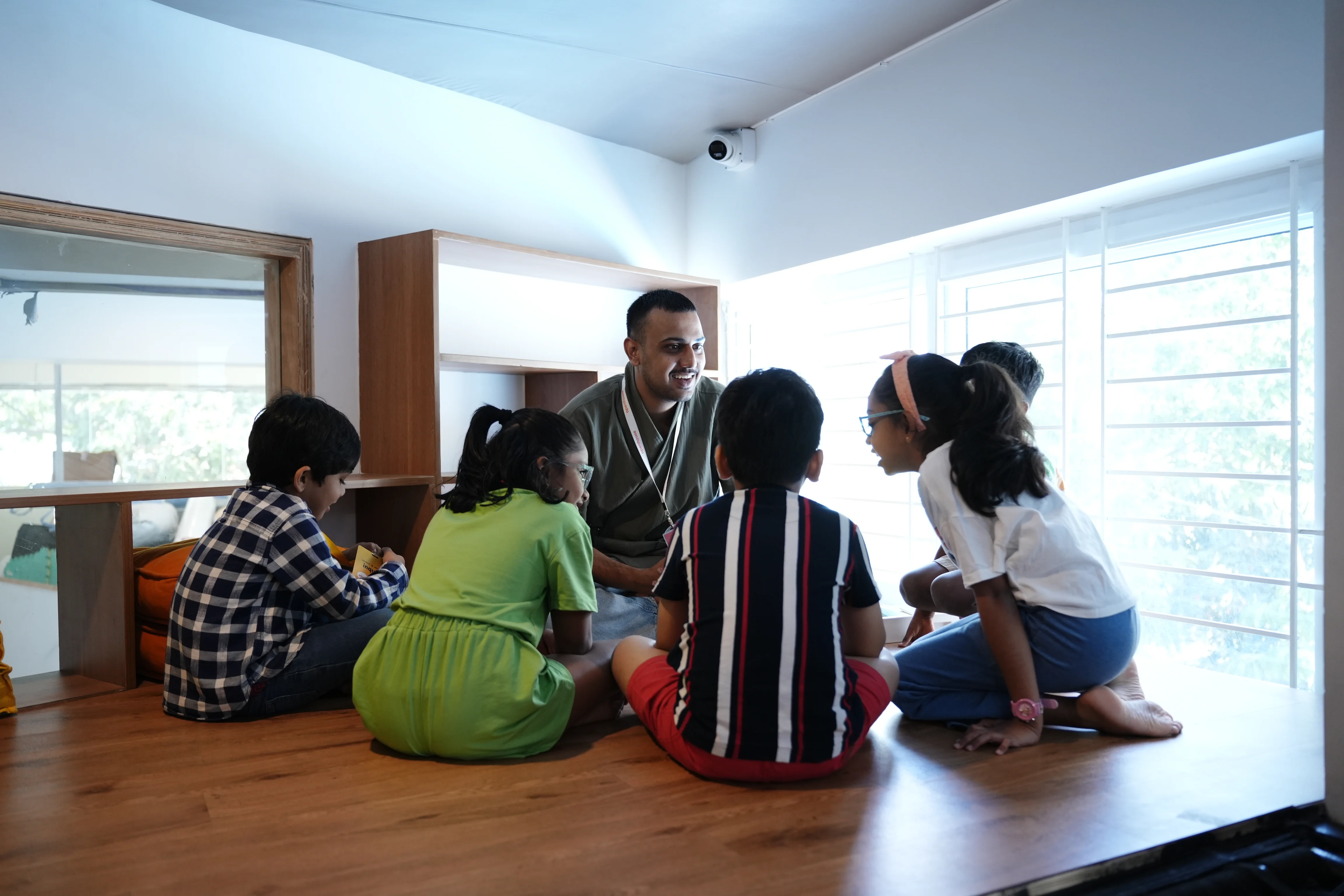
Consider the class setting. Small, consistent groups with the same instructor each week tend to help children build both the skill itself and the confidence to practice it in front of others — worth asking about when comparing programs.
Extracurricular Activities at Openhouse
At Openhouse, we offer five extracurricular programs for children aged 5 to 12 — Music, Art & Design, Robotics, Public Speaking, and Chess. All delivered through consistent, weekly after-school classes. This regular rhythm gives children the repeated, hands-on practice that actually builds lasting skills, not just a single fun afternoon.
Whether your child is drawn to creative expression, logical problem-solving, or building confidence in front of others, there's a program designed to meet them where their interests are.
FAQs
What extracurricular activities does Openhouse offer for kids?
Openhouse offers five extracurricular programs for children aged 5 to 12: Music, Art & Design, Robotics, Public Speaking, and Chess, each delivered through weekly after-school classes.
What age group are Openhouse's extracurricular programs designed for?
All of Openhouse's extracurricular programs — Music, Art & Design, Robotics, Public Speaking, and Chess are designed for children aged 5 to 12.
How often are the classes held?
Each program runs as a weekly after-school class, giving children consistent, hands-on practice rather than a one-time session.
How do I choose the right activity for my child?
Start with what naturally interests your child, try a trial class to gauge genuine engagement, and give it a few weeks before deciding, since most skills take some consistent practice before progress starts to show.
about
openhouse
Openhouse is a childrens' learning centre in Bangalore and Kolkata, offering preschool, daycare, co-curricular programs, and workshops—all under one roof.
Bringing global standards of learning and childcare to your neighborhood.